FundingNigeria4 min read
Bisedge Secures €10 Million From Finnfund to Expand Electric Forklift Fleet Across Africa
Bisedge, an African logistics company that provides electric forklifts and other material-handling equipment to industrial businesses, has secured a €10 million ($11.2 million) senior debt investment
By Nanzing Johnmark, Senior Editor · Edited by Nanzing Johnmark · Published
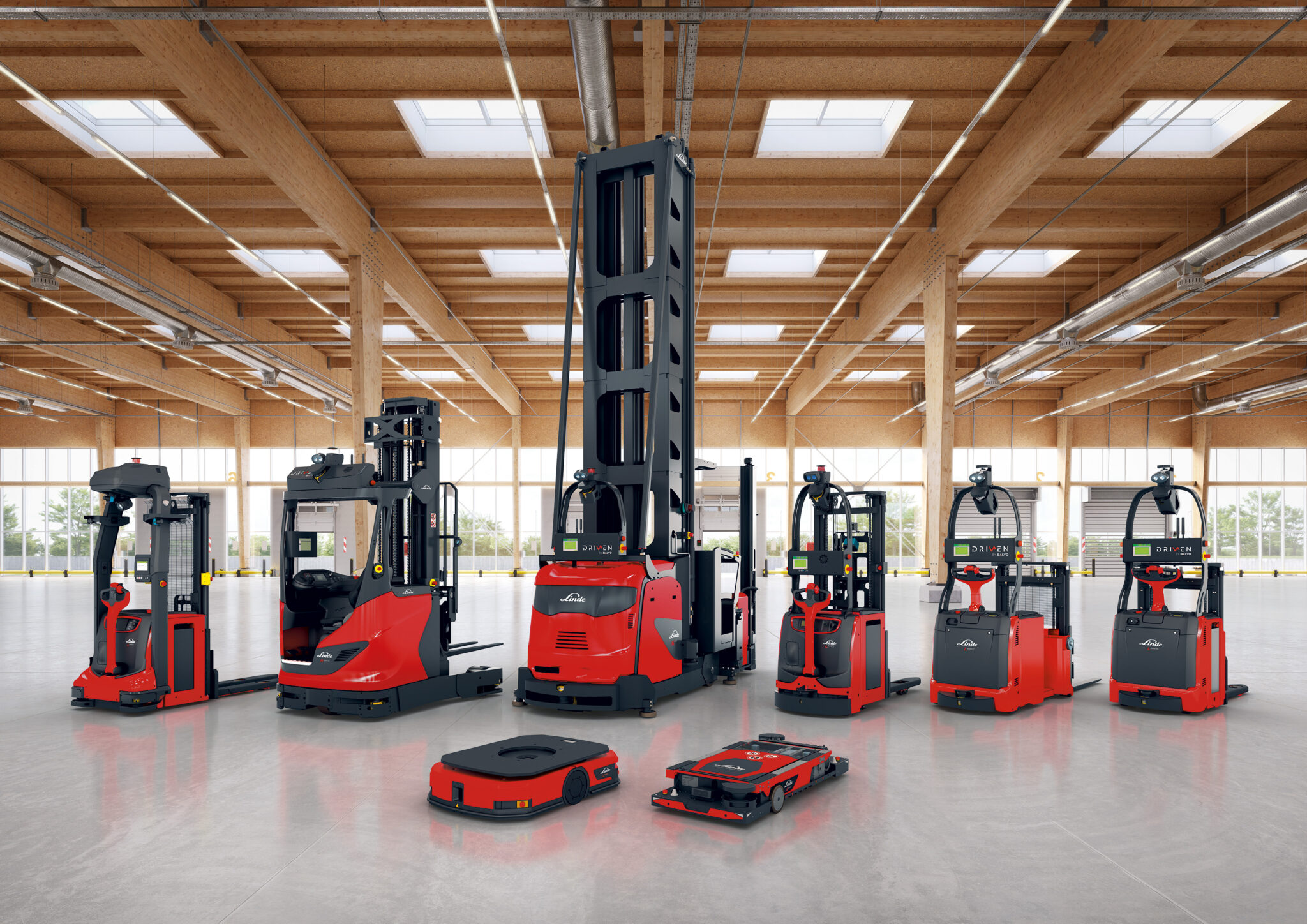
Bisedge, an African logistics company that provides electric forklifts and other material-handling equipment to industrial businesses, has secured a €10 million ($11.2 million) senior debt investment from Finnfund, Finland’s development financier.
The financing, announced on Oct. 14, will be used to expand Bisedge’s electric equipment fleet, with the initial focus on Nigeria, Tanzania and Kenya. For Finnfund, the deal is its first electric-vehicle investment in Africa.
The deal comes five months after Bisedge announced a $20 million investment from Metier Private Equity, a pan-African private-equity firm. The two transactions have different structures: Metier’s investment was equity, while Finnfund’s is senior debt. Bisedge has not disclosed a valuation for either transaction.
For Bisedge, the financing is less about adding another conventional funding round than about paying for the expensive physical assets behind its business.
The company supplies forklifts, reach trucks and warehouse tractors under what it calls a “Zero CapEx” model. Instead of purchasing the equipment, customers pay for access to it through longer-term service arrangements. Bisedge handles the equipment and its maintenance, while customers avoid the initial capital expenditure associated with building their own fleets.
That model requires Bisedge to put its own capital into equipment before it can earn revenue from those contracts. Long-term debt can therefore be a better fit for the business than relying entirely on equity.
“The Finnfund facility gives us further capital to deliver our solutions to more customers and more markets,” Christian Wessels, Bisedge’s co-founder and chief executive, said in Finnfund’s announcement.
A different kind of African logistics business
Bisedge was founded in 2020 and has built its business around material handling inside factories, warehouses and distribution centers rather than transporting goods between them.
Its fleet is about 95 percent electric, according to Finnfund. The company is also the exclusive partner of Linde Material Handling in Nigeria, Tanzania, Kenya and South Africa. Bisedge says it provides equipment, maintenance and trained operators through long-term service agreements.
The company’s pitch is partly environmental, but the economics of the equipment are just as important.
Electric forklifts remove tailpipe emissions from indoor industrial operations and can reduce fuel and maintenance costs. Bisedge is betting that companies will prefer to outsource the equipment rather than tie up capital in fleets that require maintenance, replacement and specialist operators.
The financing from Finnfund is designed around that model. The lender said the long-term tenor of the facility fits Bisedge’s multiyear customer contracts and equipment lifecycle.
From early financing to institutional capital
Finnfund’s investment was arranged with Trine, an impact investment platform that has backed Bisedge since 2021.
According to Finnfund, Trine has progressively deployed about €16.5 million in early-stage financing and sector expertise to the company. As Bisedge grew, its financing requirements became larger than what Trine’s retail-investor funding model could sustainably support. Trine then worked with Finnfund to bring institutional capital into the business.
That makes the latest deal notable beyond its €10 million price tag.
Bisedge is moving from the type of financing that helped it build the business toward capital designed to fund a larger asset base. The change matters for a company whose growth depends on buying equipment and putting it to work under contracts that can run for years.
The new facility also has support from the European Union’s European Fund for Sustainable Development Plus through the EDFI Renewable Energy Transition program. The guarantee is intended to support investment in clean-energy and low-carbon projects in emerging markets.
The expansion
The €10 million will initially support electric forklift fleets in Nigeria, Tanzania and Kenya.
Finnfund says Bisedge currently employs about 1,000 people. The company also has a program aimed at increasing the participation of women in its workforce to at least 20 percent through recruitment and training.
The environmental case is part of Finnfund’s investment thesis. An independent assessment cited by the financier estimates that replacing a diesel forklift with an electric one in Nigeria can avoid about 37 tonnes of carbon dioxide emissions per year. The actual reduction depends on factors including how the equipment is used and what type of diesel equipment it replaces.
Bisedge’s expansion also comes as it extends its commercial relationship with Linde. In March, the company was appointed Linde Material Handling’s exclusive dealer in East Africa, followed by an appointment covering South Africa in April.
Metier’s $20 million investment in May was intended to help Bisedge expand its fleet and service operations across African markets.
Five months later, the Finnfund financing gives the company another pool of capital, this time in the form of long-term debt.
Bisedge now has to turn that capital into equipment, contracts and operating capacity across markets where electric material handling is still relatively uncommon. Finnfund itself describes electrification in the sector as being at an early stage in many African markets.
For a company built around physical assets, the test will be straightforward: whether more electric forklifts can be put to work, kept running and paid for through the industrial customers Bisedge is targeting.
Sources
https://www.finnfund.fi/en/news-and-publications/news/finnfund-and-trine-launch-strategic-cooperation-to-scale-electric-logistics-solutions-across-africa/
Found a mistake? Tell us. Read how we correct errors on the corrections page.